Social Media Competitor Analysis
A social media competitor analysis usually means opening every rival’s profile, typing follower counts into a sheet and guessing which posts worked. Actionbook reads the public profiles and posts of your brand and 3 to 5 competitors each month, and lays them side by side.


Built for
- In-house marketers comparing the brand with its rivals each month
- Freelancers and agencies preparing a client’s strategy review
- Founders checking what bigger accounts do differently
Key insights
- Your followers, growth, posts and engagement next to the competitor average
- Followers and month-over-month growth per brand and network
- Engagement per post and engagement rate, split into likes, comments and shares
- Format mix per brand, and what each format earns
- The 10 competitor posts that did best, and where you lead and lag
What is the social media competitor analysis?
A social media competitor analysis compares your brand’s social accounts with your rivals’: audience, how often each posts, how much engagement each post gets, and which posts took off. Actionbook reads the public profiles and posts on Instagram, TikTok, YouTube, LinkedIn and X, and puts your numbers next to the competitor average. For social media benchmarking, it works out engagement per post and engagement rate the same way for every brand. It works as a social media competitor analysis tool with nothing to connect.
How to do a social media competitor analysis
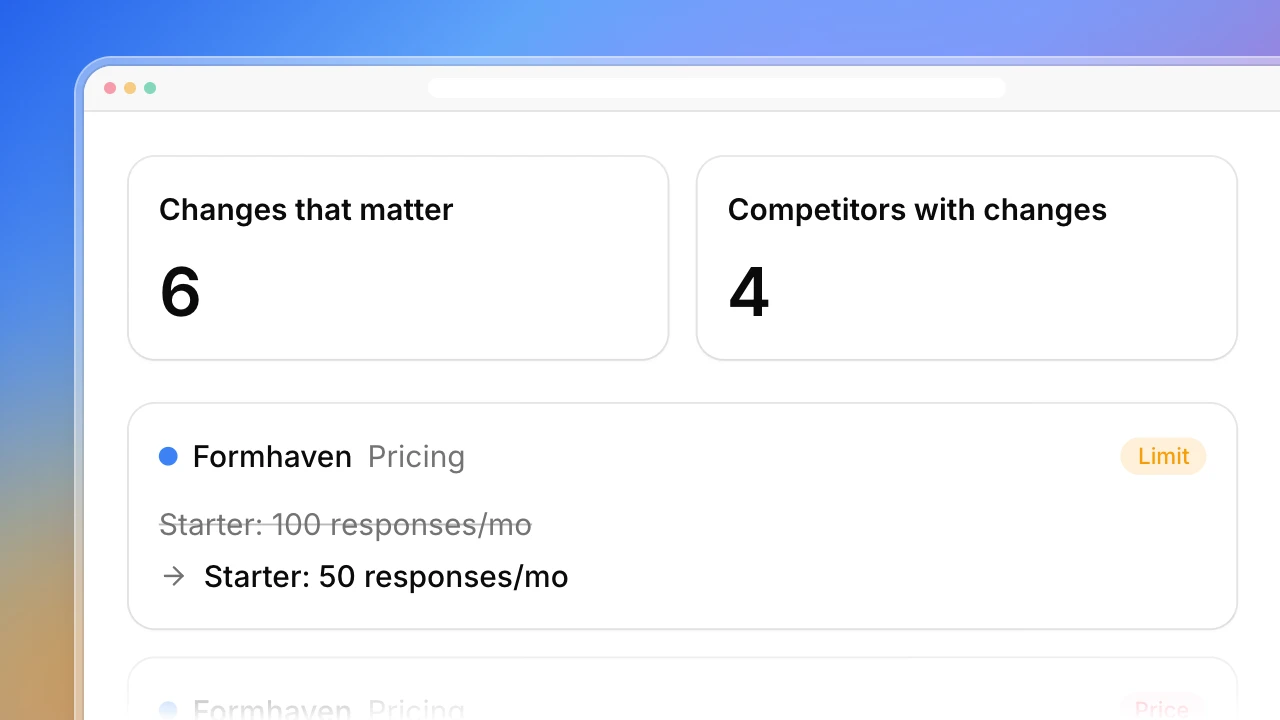
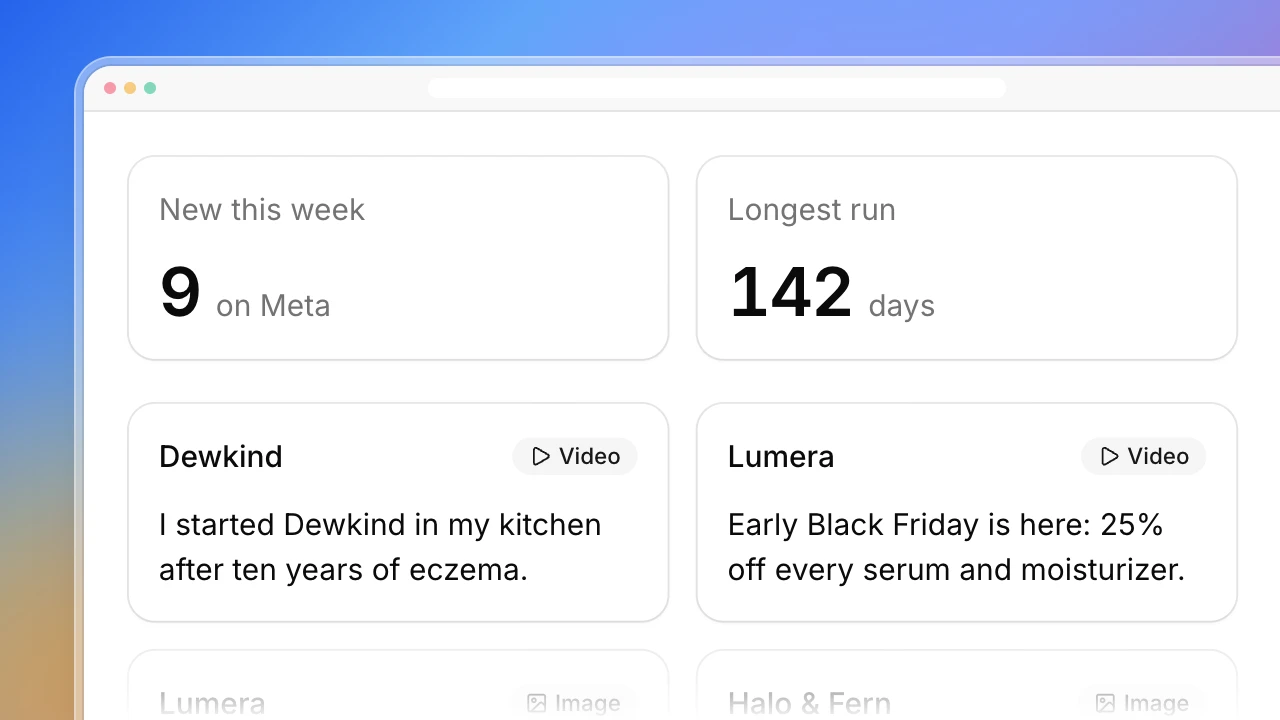
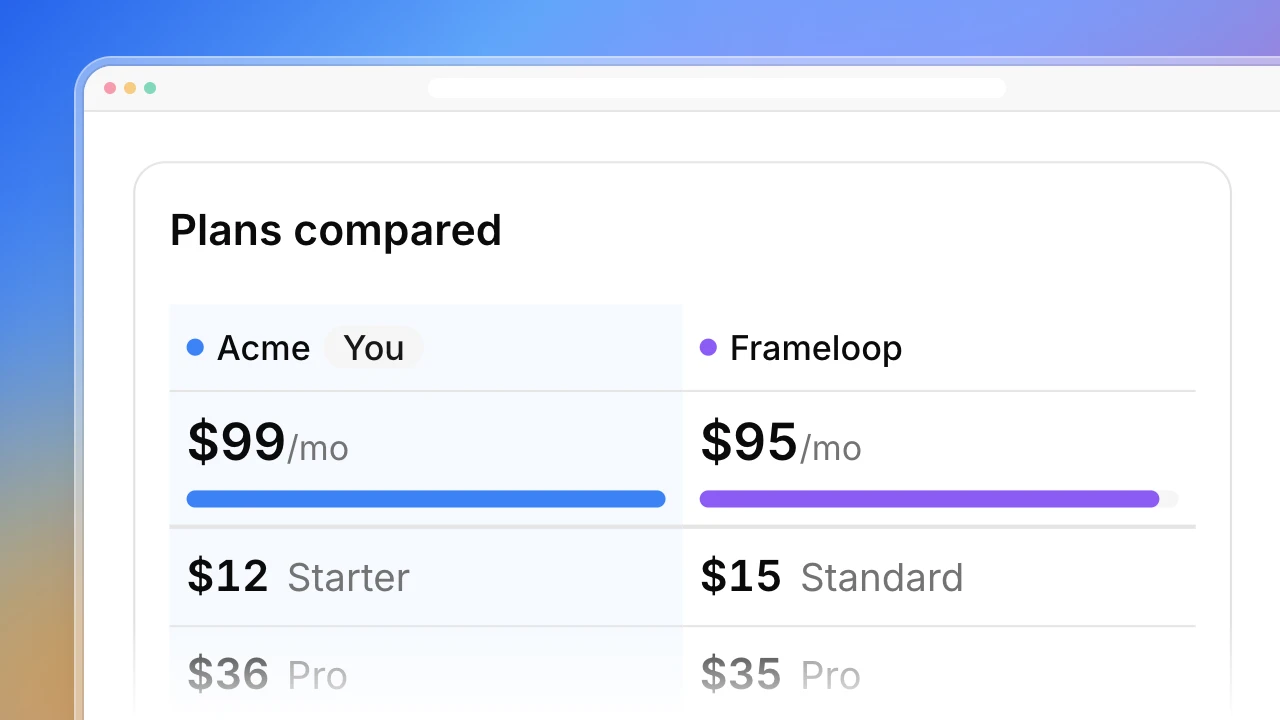
A monthly social media competitor analysis takes five steps. The dashboard above follows them.
1. Pick 3 to 5 competitors and the networks
Choose brands that sell to the same buyers, and compare only the networks you both post on.
2. Fix the period
Use the last full month against the month before, with the same dates for every brand.
3. Record the public numbers
Followers at the end of each month, and for every post its format, likes, comments and shares.
4. Work out the same ratios for every brand
Engagement per post is likes, comments and shares divided by posts. Engagement rate is that divided by followers.
5. Read their top posts, then pick what to try
Look at the posts that took off, note the format and the hook, and choose two or three things to test next month.
Who the social media competitor analysis is for
In-house marketers who report up
Your founder asks how you’re doing against the others, and the answer lives in five tabs.
- Your numbers next to the competitor average
- Growth and engagement on the same formulas
- Three things to try, tied to the gaps
Freelancers and small agencies
Each client wants a competitor view every month and before every strategy review.
- One run per client, same sections every time
- The rivals’ top posts with a reason for each
- A link per client in place of a deck
Founders running the brand’s social
You post when you can and want to know what the bigger accounts do differently.
- Who posts more, and on which network
- Which formats they lean on
- Where you already lead
How the social media competitor analysis works
Step 1: Click Build with Actionbook and name the brands
Your brand and 3 to 5 competitors, by name or profile link. The last full month against the month before by default.
Step 2: Let it read the public profiles
TikTok and YouTube are read as public pages. Instagram, LinkedIn and X use your login, read-only. It doesn’t follow, like, comment or message anyone.
Step 3: Run it again next month
Each run reads the new month and compares it with the one before, in the same nine sections.
Social media competitor analysis FAQ
What is a social media competitor analysis?
A comparison of your brand’s social accounts with your competitors’: audience size and growth, how often each posts, how much engagement each post gets, which formats they use and which posts worked. It tells you where you’re ahead, where you’re behind and what to try.
How does it handle social media benchmarking?
Every brand is measured with the same formulas for the same dates. Engagement per post is likes plus comments plus shares, divided by posts. Engagement rate is engagement per post divided by followers. Your number sits next to the mean of your competitors.
Is this a social media competitor analysis tool or a template?
It builds a live dashboard from the public profiles. There is no sheet to download and fill in.
Which networks does it read?
Instagram, TikTok, YouTube, LinkedIn and X. The example shows Instagram, TikTok and YouTube. Name the networks you want in the chat. Facebook pages aren’t covered.
What if there is no record from the month before?
Profiles show today’s follower count, not last month’s. On the first run the dashboard reads followers as the baseline, and follower growth appears from the second run. Posts and their engagement are read for both months right away.
Can it see my competitors’ reach, impressions or saves?
No. Those numbers are only visible to the account owner. The dashboard uses what each post shows publicly: likes, comments, shares, and views where shown. It never estimates the rest.
How does it decide why a post worked?
Actionbook reads the post and its first line and writes one sentence on the likely reason. The section is labeled “Our read”, because it is a judgment and not a number.
How is this different from the other competitor and social playbooks?
LinkedIn Competitor Analysis studies one person’s LinkedIn posts. Competitor Social Listening reads what other people say about you and your rivals on Reddit and X. Social Media Analytics Dashboard covers your own accounts only. This one compares what the brands themselves publish, across networks, with yours.
Does it follow, like or message anyone?
No. It only reads.